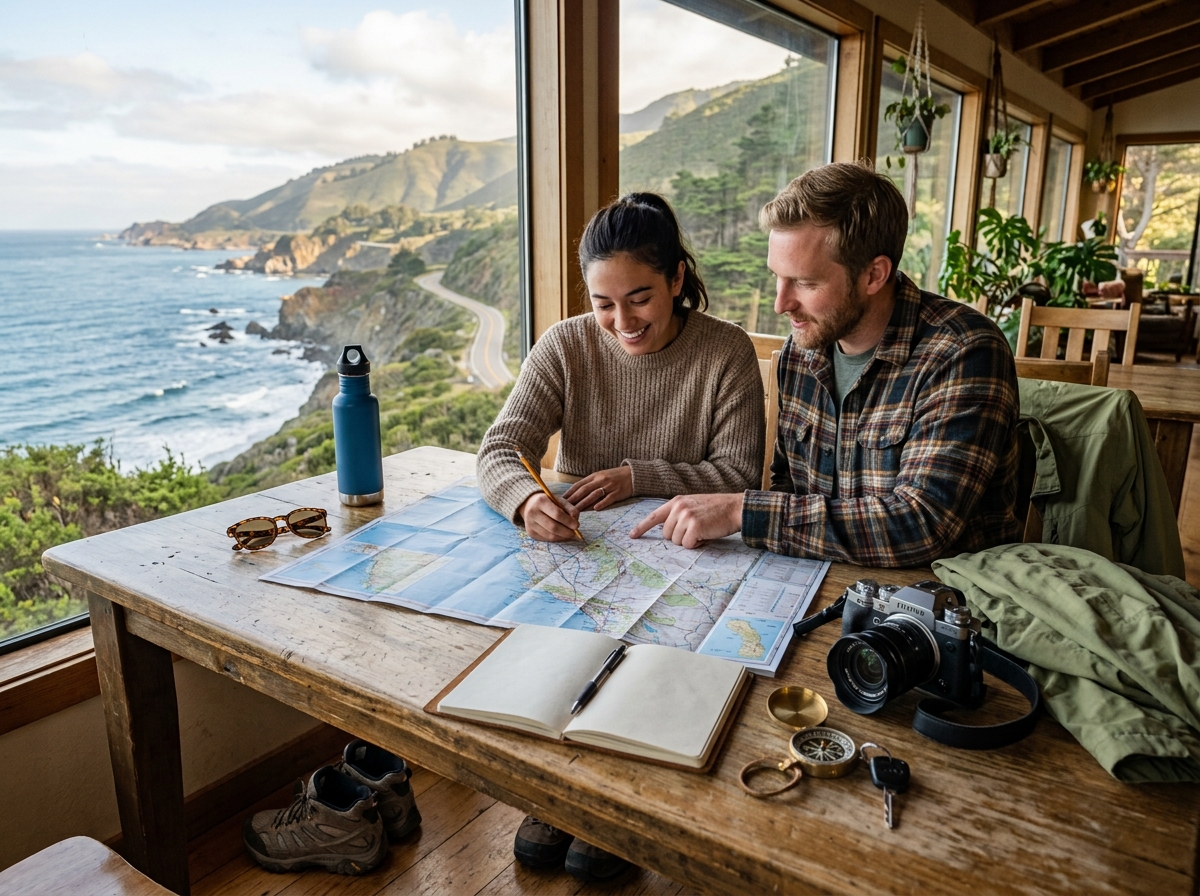
Planning a California trip can feel almost as exciting as taking one. The state offers Pacific beaches, major cities, redwood forests, deserts, agricultural valleys, historic towns, national parks, and the Sierra Nevada, often within the same broader itinerary. That variety also means travelers have more decisions to make before leaving home.
A good California travel planning checklist is not about scheduling every hour. It is about handling the practical details early enough that unexpected road conditions, changing weather, park requirements, or long driving distances do not dominate the trip.
Whether you are planning a long road trip or a three-day getaway, the following checklist can help you build a realistic itinerary while leaving enough flexibility to enjoy California along the way.
Choose a California Region Before Choosing Stops
Start with geography rather than a long list of attractions. California is large, and destinations that appear relatively close on a map may require several hours of driving.
A Northern California trip might focus on San Francisco, the redwood coast, Sonoma County, or the Sierra foothills. Central California can include Monterey, Big Sur, San Luis Obispo, Santa Barbara, Yosemite, or the Eastern Sierra. Southern California offers Los Angeles, San Diego, Palm Springs, Joshua Tree, and numerous coastal communities.
Build Around Two or Three Priorities
Choose the experiences that matter most. If your priority is the Pacific coast, avoid adding distant desert or mountain destinations simply because they are famous. If Yosemite is the centerpiece, leave enough time for mountain travel rather than squeezing it between several cities.
The official Visit California travel guides provide statewide planning information and current digital visitor and road-trip guides.
You can also explore our Road Trips section when building a route between California destinations.
Check Driving Times and Road Conditions
Driving is part of many California vacations, but estimated travel times should be treated as a starting point rather than a guarantee. Traffic, construction, mountain roads, coastal curves, weather, and emergency closures can all affect a route.
Do Not Depend on One Route
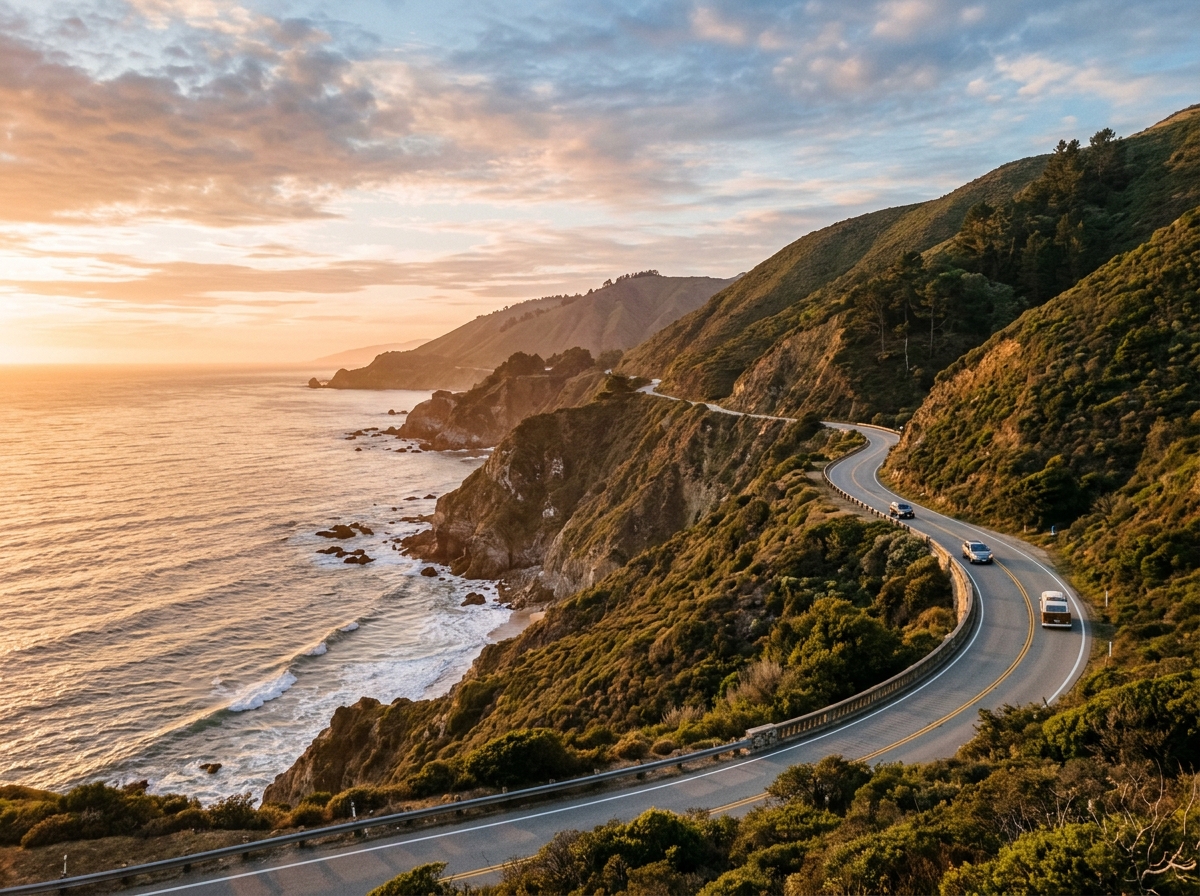
Whenever possible, identify an alternate route before leaving. This is particularly useful when traveling through Big Sur, mountain passes, wildfire-prone areas, or remote regions where a closure can require a substantial detour.
Caltrans provides live traffic conditions, highway restrictions, lane closures, cameras, and traveler information through its official travel portal.
The separate California Highway Information system allows travelers to check current restrictions by highway number.
Checking immediately before a driving day matters. For example, Highway 1 conditions can change because of construction, landslides, storms, or wildfire. Current conditions should always take priority over an itinerary written weeks or months earlier.
Confirm Park Access Before You Arrive
California’s national and state parks are major reasons to visit, but access is not always as simple as arriving at the entrance.
Some destinations may require reservations or permits for particular campgrounds, activities, transportation systems, or seasonal access. Roads and trails may also close temporarily because of weather, maintenance, wildfire, snow, or other hazards.
Check the Exact Park You Plan to Visit
Do not assume that conditions at one California park reflect another. Yosemite can have snow while Joshua Tree is warm. Coastal parks may experience fog or storm damage while inland parks remain dry.
California State Parks recommends checking the current status of the specific park before departure, reviewing local weather, preparing appropriate equipment, and having an alternate plan if part of the destination is unavailable. California State Parks safety guidance also reminds visitors to stay on designated trails and prepare for the activity they intend to undertake.
For additional protected destinations, browse our Parks & Public Lands guides.
Reserve the Hardest Parts First
Once the broad route is established, reserve the parts of the trip that have the least flexibility. That often includes lodging in popular destinations, campgrounds, certain park activities, major events, or transportation with limited availability.
There is usually little reason to schedule every restaurant or neighborhood stop months in advance. Instead, secure the parts that would be difficult to replace and leave ordinary sightseeing more flexible.
Consider Where You Sleep, Not Just the Hotel
Location can matter as much as the property itself. A less expensive room far outside a destination may add considerable driving every morning and evening.
For city visits, staying near the neighborhoods you plan to explore may reduce transportation time. Around national parks, compare the distance from the accommodation to the actual park entrance or trail area rather than relying only on the destination name.
Plan for Several Types of Weather
California’s reputation for sunshine can encourage visitors to pack too lightly. Conditions vary dramatically between the coast, interior valleys, mountains, and deserts.
San Francisco may be cool and windy while inland communities are hot. A summer Sierra Nevada trip can include cold mornings even when lower elevations are experiencing extreme heat. Desert temperatures can fall sharply after sunset.
Layering Is Usually the Best Strategy
Pack clothing that can be added or removed during the day. A light outer layer, comfortable walking shoes, sun protection, and a reusable water bottle are useful for many California itineraries.
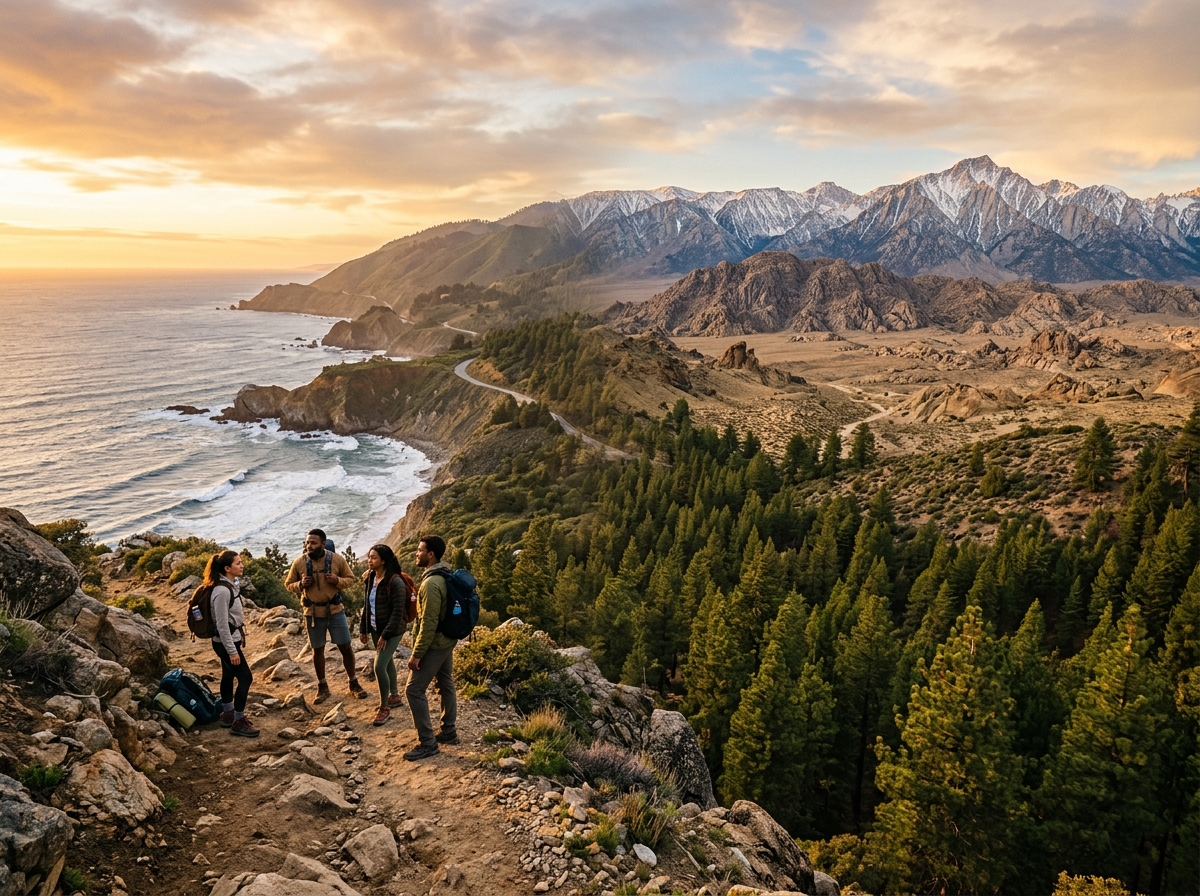
If the trip includes hiking, mountains, or remote public lands, destination-specific equipment may also be necessary. Winter mountain travel can require tire chains and cold-weather clothing, while desert travel requires careful attention to hydration and sun exposure.
Download Maps Before Remote Travel
Cell coverage is not guaranteed in California’s parks, deserts, mountains, forests, and isolated coastal areas.
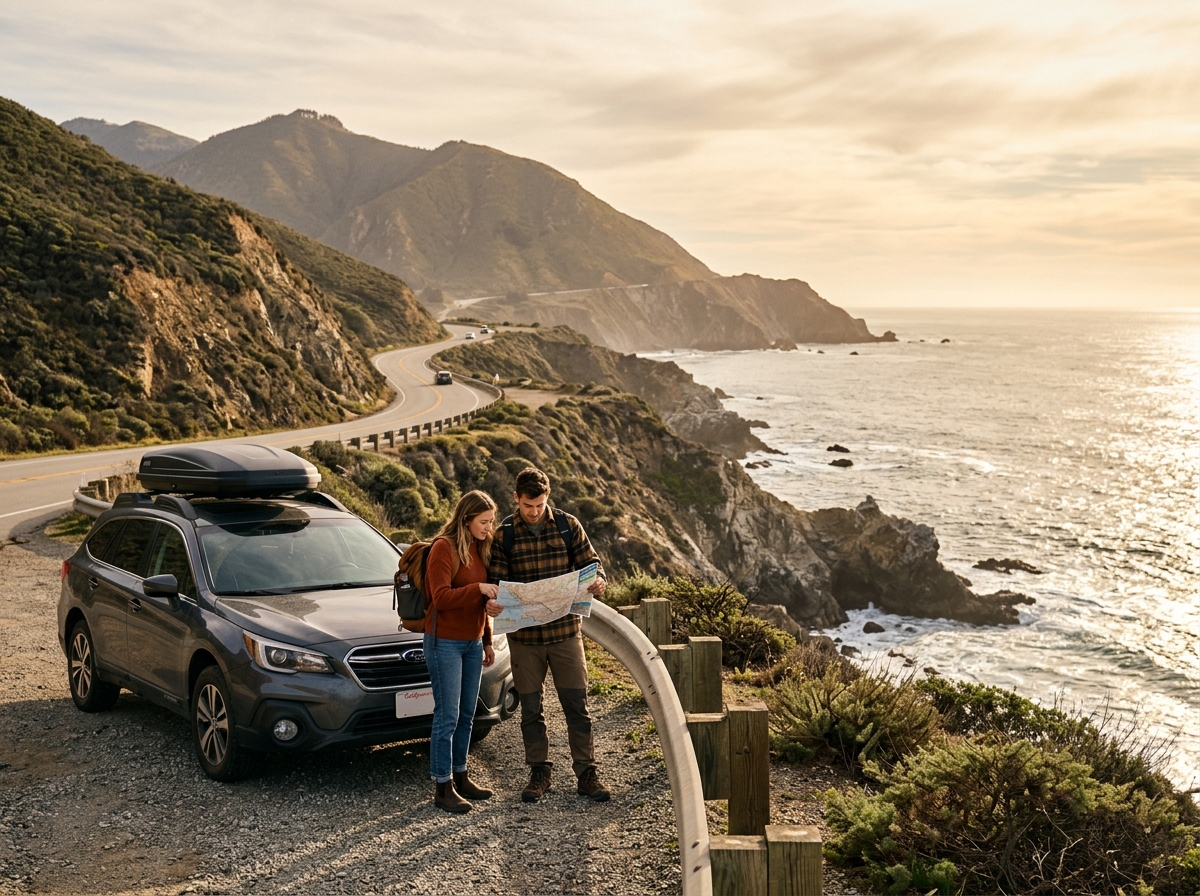
Download offline maps before leaving reliable service and save essential reservation details locally on your phone. A paper map can also be useful when traveling through several remote regions.
California State Parks specifically warns that cell coverage may be limited or nonexistent in desert parks and recommends downloading maps before traveling. The agency also notes that navigation apps can sometimes direct travelers onto unpaved roads that may require four-wheel drive. Its desert safety information provides additional planning recommendations.
Pack for the Activities on Your Itinerary
The best packing list is based on what you will actually do. Someone spending three days exploring San Francisco neighborhoods has different needs from a traveler hiking in the Eastern Sierra.
For a general California trip, useful items can include comfortable shoes, sunglasses, sunscreen, a hat, layered clothing, a reusable water bottle, a compact daypack, charging cables, and a light jacket.
Outdoor itineraries may require hiking footwear, additional water capacity, navigation tools, first-aid supplies, or specialized equipment.

Leave Space for Local Experiences
One advantage of planning carefully is that you do not need to plan constantly once the trip begins. Leave gaps in the itinerary for local restaurants, markets, neighborhood walks, scenic overlooks, beaches, or unexpected discoveries.
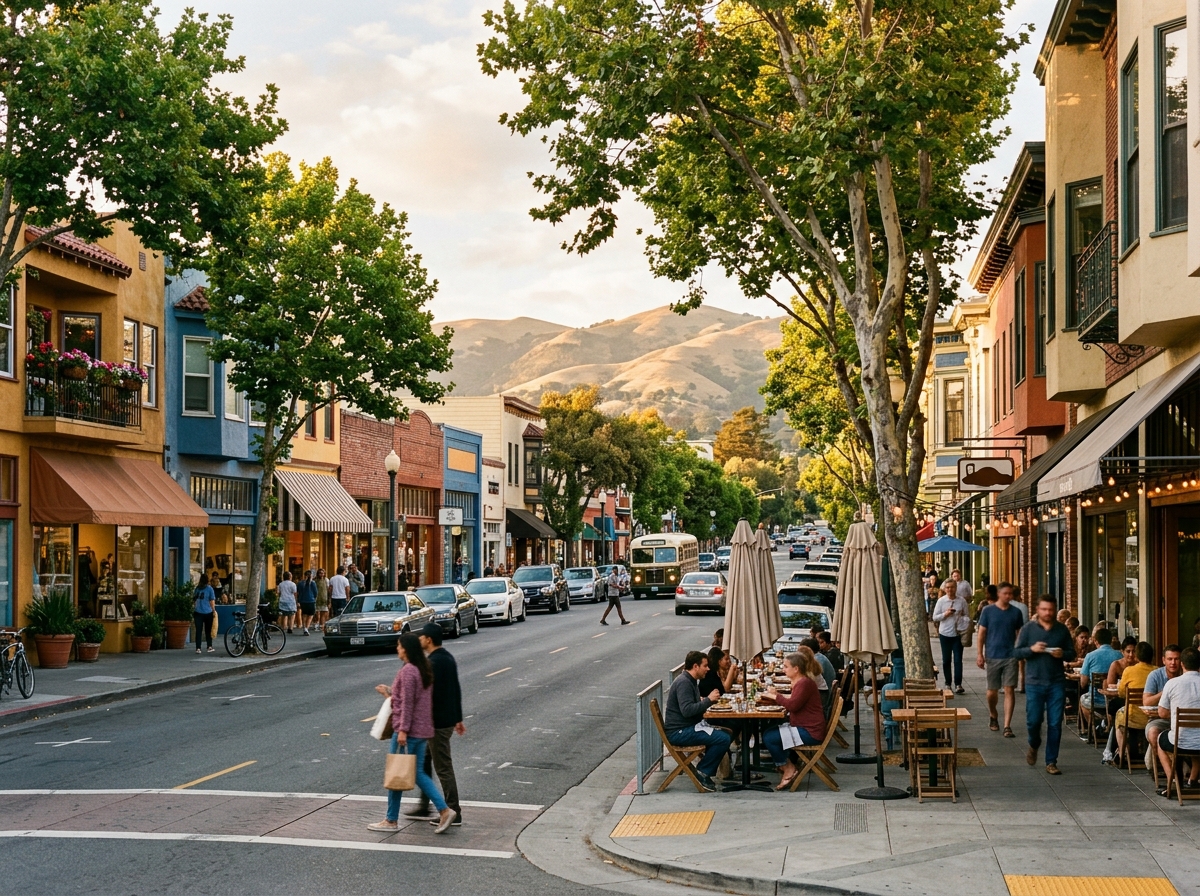
California is especially rewarding when travelers combine major attractions with smaller places. Instead of spending every day moving between famous landmarks, consider exploring a historic downtown, neighborhood commercial district, local food destination, or public landscape.
Our Cities & Neighborhoods section offers ideas for discovering California beyond its largest tourist attractions.
Create a Backup Plan for Each Major Day
California travel can be affected by wildfire, storms, snow, extreme heat, road closures, or temporary park restrictions. A backup plan can prevent one disruption from ruining an entire day.
If a mountain trail is inaccessible, know which lower-elevation area you could explore instead. If a coastal highway closes, consider whether an inland route still allows you to reach the next overnight destination.
Visit California maintains a current California travel alerts page with information about road closures, wildfire impacts, weather, and other issues travelers may need to consider.
Our Travel Updates section can also be useful when checking conditions before a trip.
Complete a Final Check the Day Before
The day before departure, review the itinerary one final time. Confirm lodging details, weather forecasts, park information, road conditions, reservations, and the first day’s transportation plan.
Make sure maps and confirmation documents are available offline. Charge devices, fill the vehicle with fuel before entering remote regions, and tell someone your plans if the itinerary includes hiking or isolated public lands.
A useful California travel planning checklist should reduce uncertainty without removing spontaneity. The objective is not to predict every possible change. It is to handle the important details so that you have more freedom once the trip begins.
Plan Carefully, Then Leave Room to Explore
California rewards travelers who arrive prepared but remain flexible. Build an itinerary around manageable regions, understand the driving distances, verify public-land access, pack for changing climates, and check road conditions close to departure.
Then leave some open space.
A roadside overlook, an unexpected neighborhood, a small-town restaurant, or an extra hour on a coastal trail may become more memorable than something scheduled months earlier.
With the practical details handled, your California trip can focus on what matters most: experiencing the landscapes, communities, food, history, and open roads that make the Golden State worth exploring.