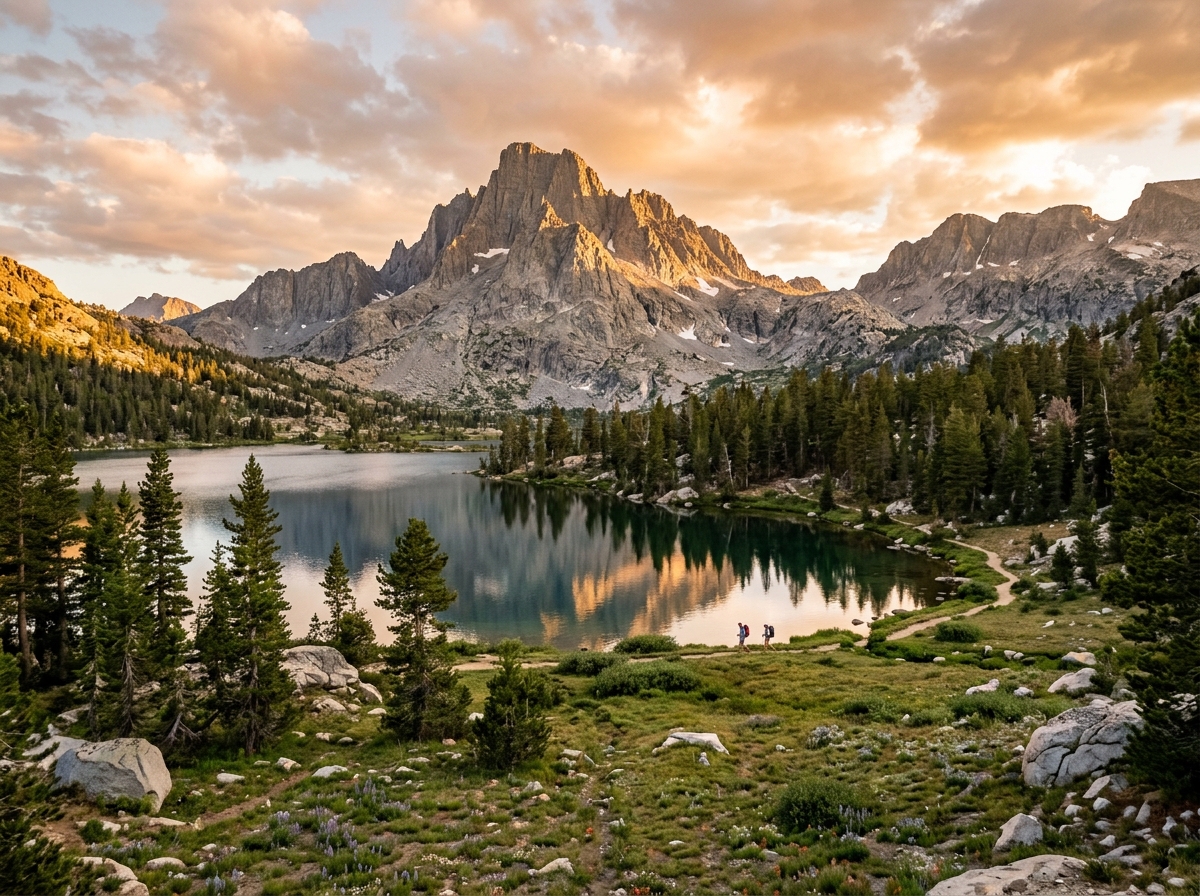
California’s High Sierra presents a version of the state that can feel worlds away from its beaches and major cities. Granite peaks rise above pine forests, clear lakes fill mountain basins, waterfalls tumble through deep valleys, and high-elevation roads connect communities surrounded by some of California’s most dramatic scenery.
The region is also remarkably varied. Lake Tahoe combines mountain landscapes with a vast alpine lake. Yosemite is defined by enormous granite formations and waterfalls. Mammoth Lakes provides access to volcanic terrain and high-country recreation, while the Eastern Sierra offers striking views where mountains rise abruptly above desert valleys.
For travelers searching for California High Sierra mountain scenery, these destinations provide an excellent introduction to the region. Conditions change significantly with elevation and season, so checking current road, weather, and trail information should always be part of the trip.
Yosemite Reveals the Scale of the Sierra Nevada
Few destinations represent the Sierra Nevada as powerfully as Yosemite National Park. The park spans elevations from roughly 2,000 to 13,000 feet, creating enormous differences in vegetation, weather, and seasonal access within the same protected landscape.
Yosemite Valley contains many of the park’s most recognizable features, including sheer granite walls and major waterfalls. Travelers who venture into the higher country encounter a different environment of meadows, forests, granite domes, lakes, and expansive mountain views.
Explore Beyond Yosemite Valley
Tioga Road provides access to Yosemite’s high country when open. The route crosses the Sierra through areas such as Tuolumne Meadows before reaching Tioga Pass at 9,945 feet.
Access is highly seasonal. Tioga Road usually closes sometime in November and reopens in late May or June, although exact dates vary with snowpack and spring weather. In 2026, the road opened to vehicles on May 15, its earliest opening in 16 years.
Before visiting, use the official Yosemite current conditions page to check roads, trails, facilities, and alerts.
Readers interested in other protected landscapes can also explore our Parks & Public Lands guides.
Lake Tahoe Combines Alpine Water and Mountain Views
Lake Tahoe is one of the High Sierra’s most versatile destinations. Its brilliant blue water is surrounded by forested mountains, granite terrain, beaches, communities, and recreation areas on both the California and Nevada sides.
Summer brings opportunities for hiking, kayaking, cycling, swimming, and scenic drives. Winter transforms the surrounding mountains into a major snow-sports region. Visit California describes Tahoe as an all-season destination with skiing in winter and extensive hiking, mountain biking, and water recreation during warmer months.
See Tahoe From Above the Shoreline
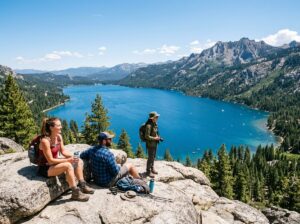
Some of Tahoe’s most memorable scenery is found from trails and overlooks above the lake. Emerald Bay is a particularly recognizable area, where forested slopes surround a narrow bay and Fannette Island rises from the water.
Visit California highlights the Rubicon Trail and routes around Emerald Bay as options for experiencing the landscape on foot. Portions of the much longer Tahoe Rim Trail also provide elevated views across the lake and surrounding mountains.
Mountain conditions can change quickly, so hikers should research the specific route, elevation, weather, and seasonal conditions before leaving.
Mammoth Lakes Is a Gateway to High-Country Adventure
Farther south, Mammoth Lakes provides another outstanding base for exploring California’s mountain country. The town sits along the eastern side of the Sierra Nevada and is surrounded by lakes, forests, volcanic landscapes, and high peaks.
Winter is strongly associated with skiing and snowboarding, but the region changes dramatically after the snow melts. Summer and early fall open opportunities for hiking, mountain biking, fishing, scenic drives, and lake visits.
Visit California includes Mammoth Lakes among the High Sierra’s signature destinations and emphasizes its combination of winter sports and high-altitude recreation.
Explore the Lakes Basin
The Mammoth Lakes Basin provides a concentrated collection of mountain scenery near town. Forests surround a series of lakes beneath rugged peaks, making the area suitable for scenic stops and outdoor activities.
The region also works well as part of a longer Highway 395 road trip. Travelers can combine Mammoth Lakes with Mono Basin, Bishop, June Lake, and other Eastern Sierra destinations without constantly returning to California’s western side.
For more active trip ideas, browse our Outdoor Adventures section.
The Eastern Sierra Offers Dramatic Mountain Contrasts
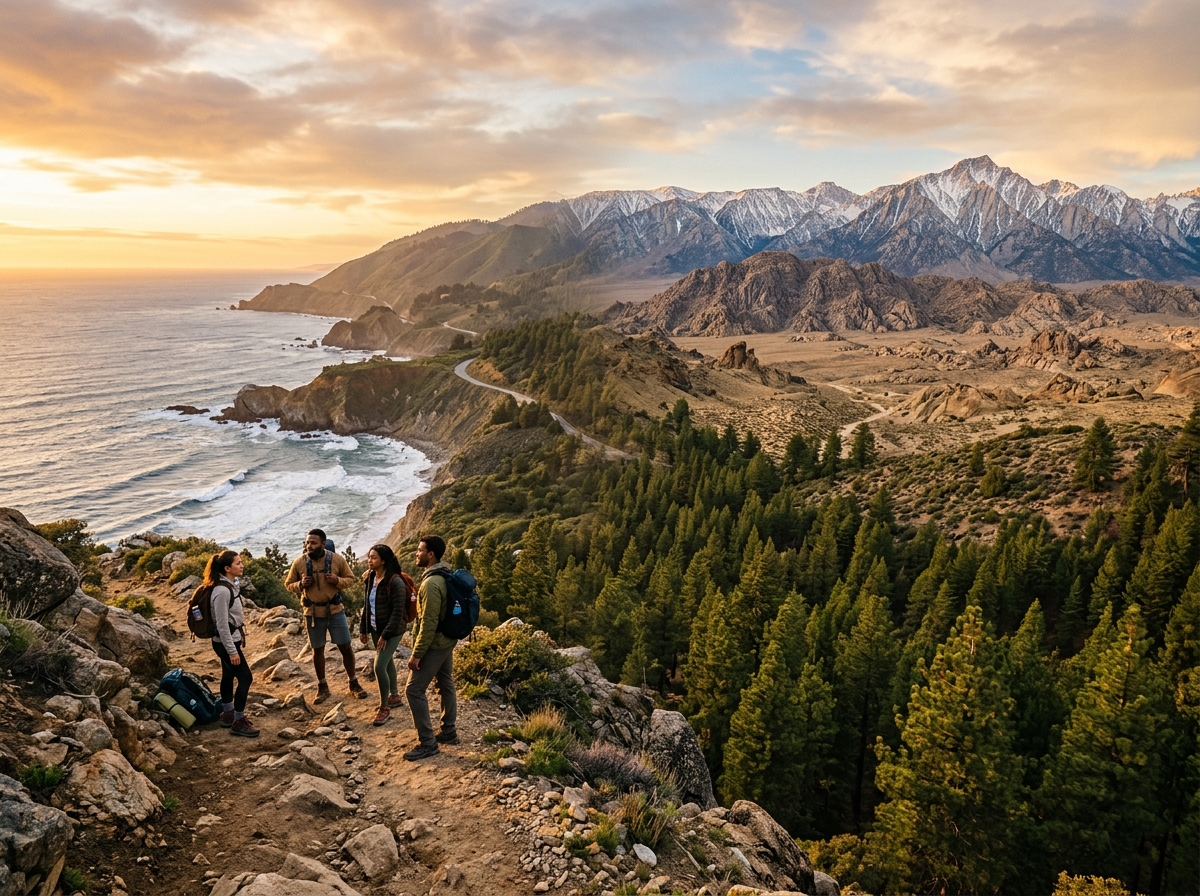
The Eastern Sierra provides some of California’s most impressive roadside mountain scenery. Along U.S. Highway 395, the Sierra Nevada rises sharply west of broad valleys and high-desert terrain.
This contrast gives the eastern side of the range a character very different from the forested western approaches. In some areas, travelers can look from sagebrush-covered valleys toward snow-covered peaks within the same view.
June Lake and Mono Basin
June Lake is surrounded by mountain terrain and provides an appealing stop between Mammoth Lakes and Lee Vining. The surrounding loop road becomes particularly popular during autumn, when aspen groves can turn brilliant shades of yellow and gold.
Nearby Mono Basin adds another landscape to the journey. Its open terrain and large saline lake sit beneath the Sierra, creating broad views of the surrounding mountains.
Travelers building a longer driving itinerary can visit our Road Trips section for more California route ideas.
Sequoia and Kings Canyon Add Giant Trees and Deep Canyons
The southern Sierra Nevada contains another group of remarkable mountain destinations. Sequoia and Kings Canyon National Parks combine giant sequoia groves with granite peaks, rivers, deep canyons, and extensive wilderness.
The scenery changes dramatically with elevation. Visitors can move from foothill environments into forests containing some of the world’s largest trees and then toward high mountain terrain.
Visit California includes Sequoia and Kings Canyon alongside Yosemite, Lake Tahoe, and Mammoth Lakes as defining High Sierra destinations. The state’s High Sierra profile emphasizes the region’s combination of granite peaks, giant trees, alpine lakes, and year-round recreation.
Mountain Towns Add Character to a Sierra Trip
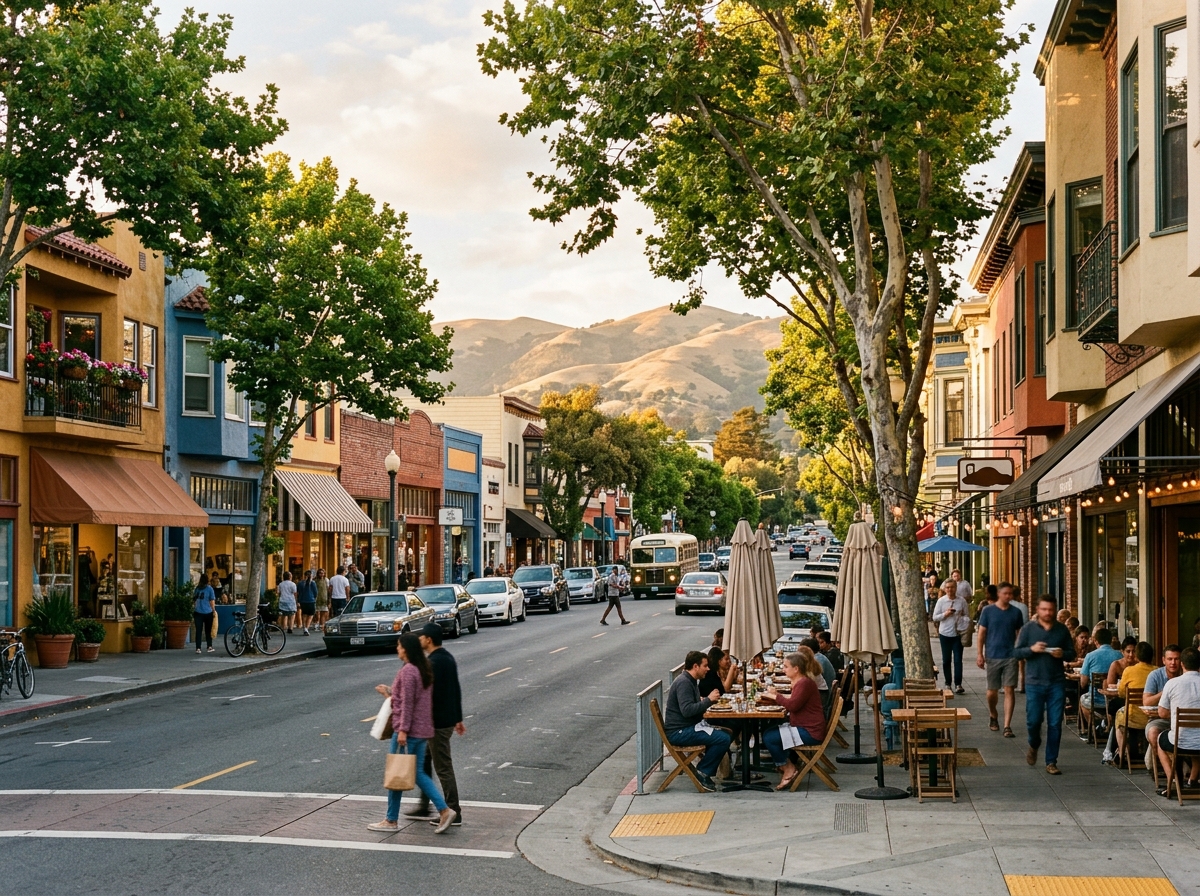
The High Sierra experience is not limited to wilderness. Mountain communities can provide lodging, restaurants, history, and a sense of how people have lived alongside the range.
Truckee, for example, combines a historic downtown with convenient access to the Tahoe region. Mammoth Lakes functions as both a recreation center and a year-round mountain community. Smaller Eastern Sierra towns provide bases for exploring surrounding valleys, trails, and scenic highways.
Including a town in the itinerary can also make a mountain trip more flexible. A day of difficult weather does not necessarily mean losing an entire day when museums, restaurants, historic streets, and other local experiences are available.
Our Cities & Neighborhoods collection provides additional ideas for exploring California communities.
Choose the Season for the Experience You Want
The High Sierra changes more dramatically between seasons than many coastal areas of California.
Summer
Summer generally provides the widest access to high-elevation roads and trails. Alpine lakes, hiking routes, mountain biking, camping, and scenic drives become major attractions once snow has cleared.
Autumn
Early fall can bring cooler hiking temperatures and colorful aspen groves, particularly along the Eastern Sierra. However, high-elevation weather can change quickly as the season progresses.
Winter
Winter shifts the region toward skiing, snowboarding, snowshoeing, and snowy mountain scenery. Major passes can close for months, dramatically changing driving routes.
Spring
Spring is a transition season. Lower elevations may be green and increasingly accessible while the high country remains covered in snow. Yosemite notes that elevations around 10,000 feet commonly remain snowy until at least mid-June, and some high-country access can remain limited even later depending on the winter snowpack.
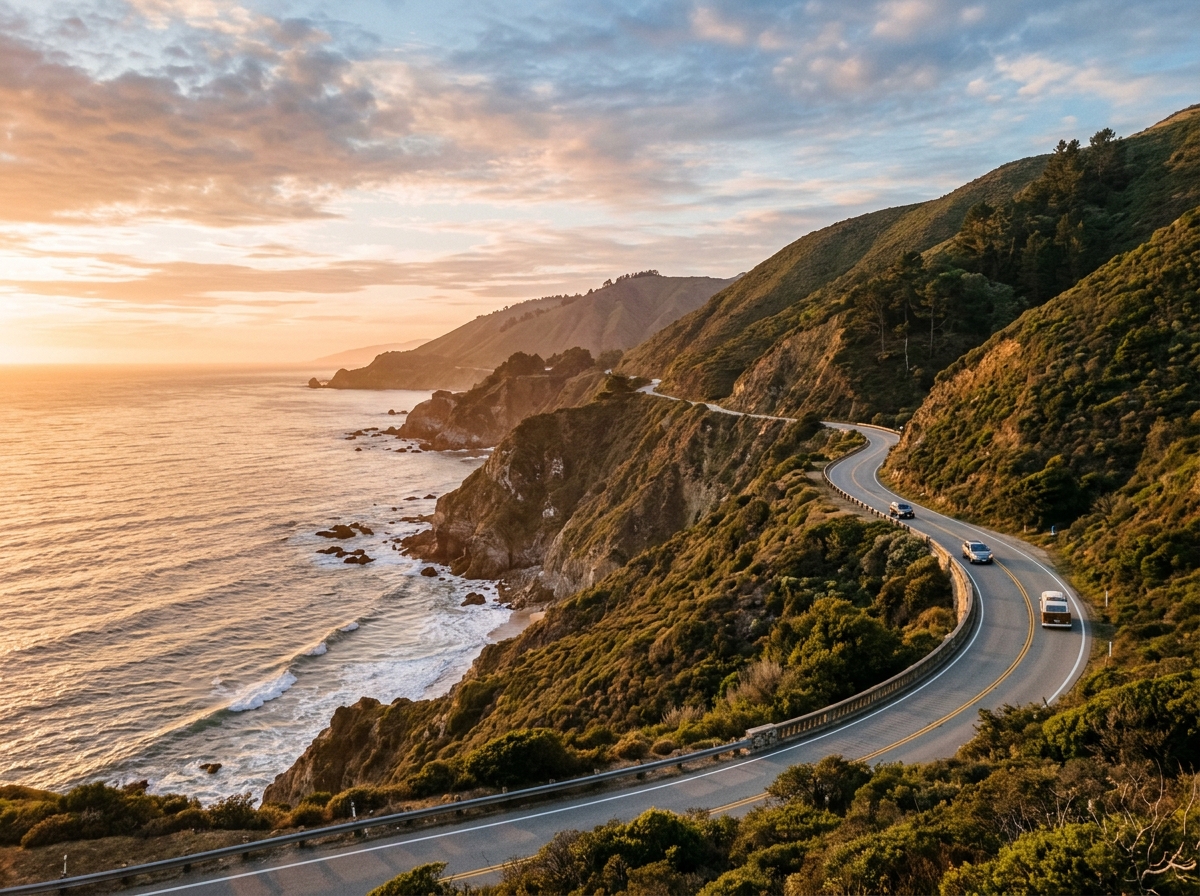
Plan High Sierra Driving Carefully
A route that works in August may be impossible in January. Tioga Road, for example, normally closes from approximately November through late May or June. When closed, travelers cannot cross Yosemite between the Eastern Sierra and the park’s western side by that route.
That seasonal closure can turn what appears to be a short connection on a map into a much longer drive around the Sierra Nevada.
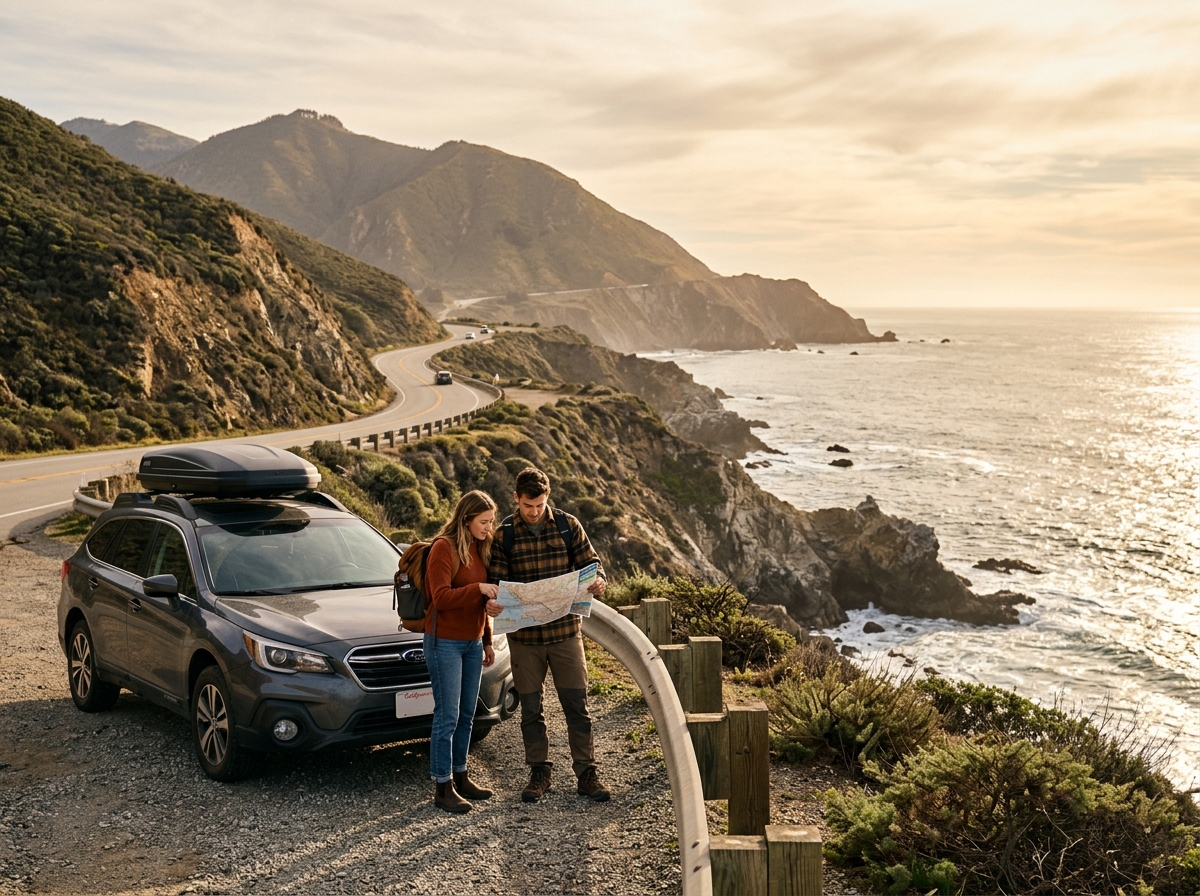
Check road conditions shortly before departure rather than relying on an itinerary created months earlier. Winter travelers should also prepare for chain controls and rapidly changing mountain weather.
Discover California From a Higher Elevation
California’s High Sierra demonstrates just how different the Golden State can become when elevation takes over. Yosemite combines granite walls with waterfalls and alpine country. Lake Tahoe places brilliant blue water beneath mountain ridges. Mammoth Lakes provides access to lakes and volcanic landscapes, while Highway 395 reveals the dramatic eastern face of the Sierra Nevada.
Farther south, Sequoia and Kings Canyon add giant trees, deep canyons, and expansive wilderness to the picture.
These destinations can be connected into a larger journey, but they are also worthy of individual trips. Visit California’s High Sierra itinerary links Lake Tahoe, Yosemite, Mammoth Lakes, and Sequoia and Kings Canyon, while noting that such a route is best suited to periods when mountain passes are open.
The best approach is to choose the scenery and activities you want, match them to the right season, and leave enough time to experience the mountains rather than simply driving through them. In the High Sierra, the landscape itself is the destination.