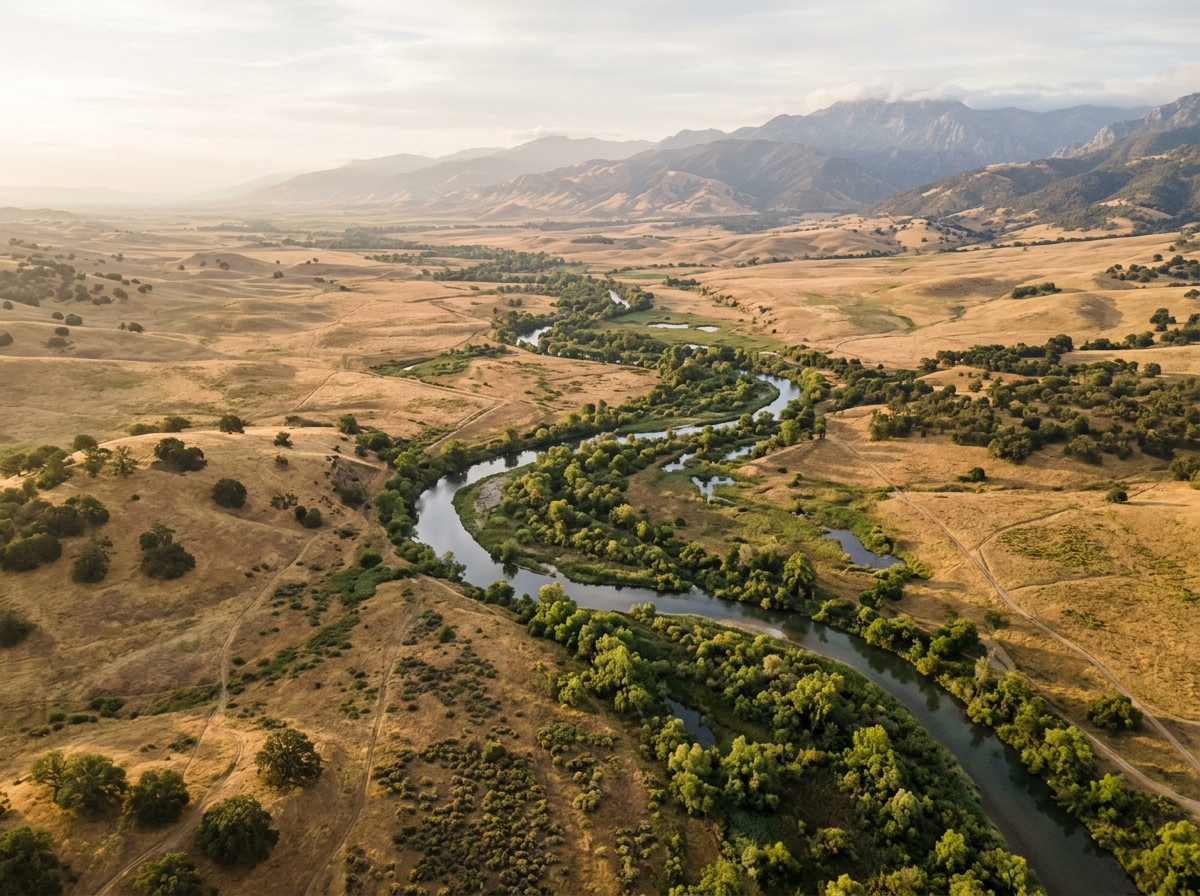
California is preparing to add three new state parks in the Central Valley as part of the State Parks Forward initiative, marking what California State Parks describes as the biggest expansion of the state park system in decades. The three locations are Feather River Park in Yuba County, San Joaquin River Parkway in Fresno and Madera counties, and Dust Bowl Camp in Kern County.
For travelers, the announcement is exciting, but it is important to understand what “new state park” means at this stage. These sites are still moving through planning, acquisition, public engagement, and development. They should not yet be treated like fully developed state parks with established visitor centers, campgrounds, operating hours, or reservation systems.
Instead, they offer a preview of how California’s park system could expand outdoor access, river recreation, environmental education, and historic interpretation in parts of the Central Valley that have traditionally had fewer state park opportunities.
Why California Is Adding Three New State Parks
California announced the three parks through its State Parks Forward initiative. According to California State Parks, planning and acquisition began in 2026, with the three proposed parks stretching across roughly 330 miles of the Central Valley.
The initiative is designed not only to increase the number of state parks but also to improve access to outdoor recreation and protect important natural and cultural resources. California State Parks has also said that the broader program includes plans to add thousands of acres to existing state parks by the end of the decade.
All three proposed park properties are already publicly held, which could make their eventual transfer into the state park system simpler than acquiring entirely new private property.
However, travelers should not assume that every planned feature will appear exactly as described today. California State Parks is still gathering community input and determining how each site may ultimately be used.
Feather River Park in Yuba County
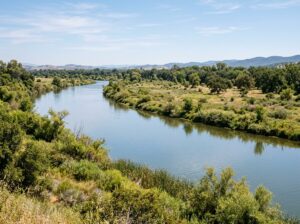
Feather River Park is planned near Olivehurst in Yuba County and would cover nearly 2,000 acres along the Feather River. If completed as proposed, it would become the first state park in Yuba County.
The site is particularly notable because it combines recreation, habitat, and floodplain functions. California State Parks says portions of the property include restored natural habitat, while the floodplain is designed to accommodate water during high-flow years.
What Could Make Feather River Park Worth Visiting
The property already includes features that could make it attractive to outdoor travelers, including river access, a boat launch, trails, and a riverside beach. Those characteristics suggest that the park could eventually become a destination for paddling, walking, wildlife viewing, picnicking, and other river-focused recreation.
Its location is also significant. Northern Central Valley communities have fewer state park destinations than some better-known parts of coastal and mountain California. A new park in Yuba County could provide another accessible outdoor option without requiring visitors to travel to the Sierra Nevada or farther west toward the coast.
Travelers interested in the park should still wait for official announcements before planning a dedicated visit. Facility plans, access rules, operating conditions, and opening dates have not yet been finalized.
San Joaquin River Parkway Near Fresno
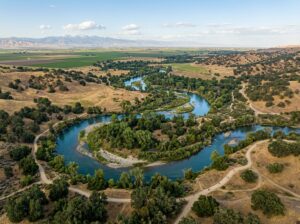
The proposed San Joaquin River Parkway state park would span portions of Fresno and Madera counties. The site is currently owned by the San Joaquin River Conservancy and consists of multiple public properties along both sides of the San Joaquin River.
California State Parks says these properties could be combined into an approximately 874-acre state park. The location is immediately upriver from Fresno, placing a potentially major recreation area close to one of the Central Valley’s largest population centers.
A Potential River Recreation Hub
The new park could expand public access to trails and river recreation while connecting existing open spaces in the area. California State Parks also notes that the site would complement nearby Millerton Lake State Recreation Area.
That combination could eventually make this portion of the San Joaquin River an important outdoor recreation hub for residents and travelers visiting the Fresno area.
For road trippers traveling through central California, the park could also become a useful stop between urban destinations, Sierra Nevada gateways, and national parks farther east.
The exact visitor experience remains under development. Trail systems, parking, recreation facilities, river access points, and interpretive programs will depend on the final planning process.
Dust Bowl Camp Near Bakersfield
Dust Bowl Camp is very different from the other two proposed parks. Rather than focusing primarily on natural landscapes and river recreation, this approximately two-acre site near Bakersfield would preserve an important part of California’s social and agricultural history.
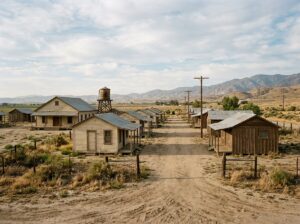
The property is also known as the Sunset Migratory Labor Camp or Weedpatch Camp. It was established during the Great Depression to house displaced farm workers who migrated west during the Dust Bowl era.
The site is listed on both the National Register of Historic Places and the California Register of Historical Resources.
A Park Focused on California History
California State Parks says Dust Bowl Camp would become the state’s first park specifically interpreting the Dust Bowl and migrant farm camps of the Great Depression.
The site contains historic buildings associated with the camp’s operations. It is also closely associated with John Steinbeck’s The Grapes of Wrath, which helped bring national attention to the experiences of migrant farm workers traveling to California during that period.
Unlike a traditional recreation-oriented park, Dust Bowl Camp could primarily become an educational and cultural destination. Visitors may eventually be able to explore historic structures and learn about migration, agriculture, labor, and daily life in 1930s California.
At present, California State Parks states that the historic camp is not open to the public as a state park, so travelers should not arrive expecting standard visitor access.
When Will the New State Parks Open?
California State Parks has not announced final public opening dates for the three parks. The agency began the planning and acquisition process in 2026 and has been gathering public feedback through surveys and community workshops.
In August 2026, California State Parks held workshops focused on all three proposed parks. The agency said feedback would help determine priorities involving recreation, outdoor access, education, cultural interpretation, and community needs.
Travelers can follow the latest official information through the California State Parks Forward information page.
Because these projects are still evolving, future announcements could include new names, boundaries, facilities, access arrangements, or development timelines.
What Travelers Should Know Before Visiting
The most important point is that these locations should not yet be treated as conventional operating state parks. A proposed or developing park may have limited access, no visitor facilities, and areas that remain closed during planning or construction.
Before attempting to visit any of the three locations, check California State Parks and the relevant local land-management agency for current access information.
Visitors should also avoid relying on unofficial maps or social media posts that show proposed boundaries as if they were established public recreation areas. Some publicly owned land may still have restrictions or limited entry points.
The August 2026 California State Parks workshop announcement confirms that the planning process remains in its early stages and that community input is still helping shape the future of the sites.
Why These Parks Matter for California Travel
California’s most famous parks often bring to mind redwood forests, Pacific beaches, deserts, or dramatic mountain landscapes. These three new parks highlight another side of the Golden State.
Feather River Park could showcase river landscapes and outdoor recreation in Yuba County. San Joaquin River Parkway could provide additional access to one of California’s major waterways near Fresno. Dust Bowl Camp could preserve a powerful chapter of the state’s migration and agricultural history.
Together, they demonstrate how a state park can serve very different purposes. Some protect habitat. Some provide trails and recreation. Others preserve historic places that help visitors understand how California developed.
For travelers building future Central Valley itineraries, these parks are worth watching. They may eventually become meaningful additions to California road trips, educational journeys, outdoor adventures, and regional travel plans.
Until development is complete, however, the best approach is to follow official updates, respect current access restrictions, and view the three locations as emerging destinations rather than fully established parks.