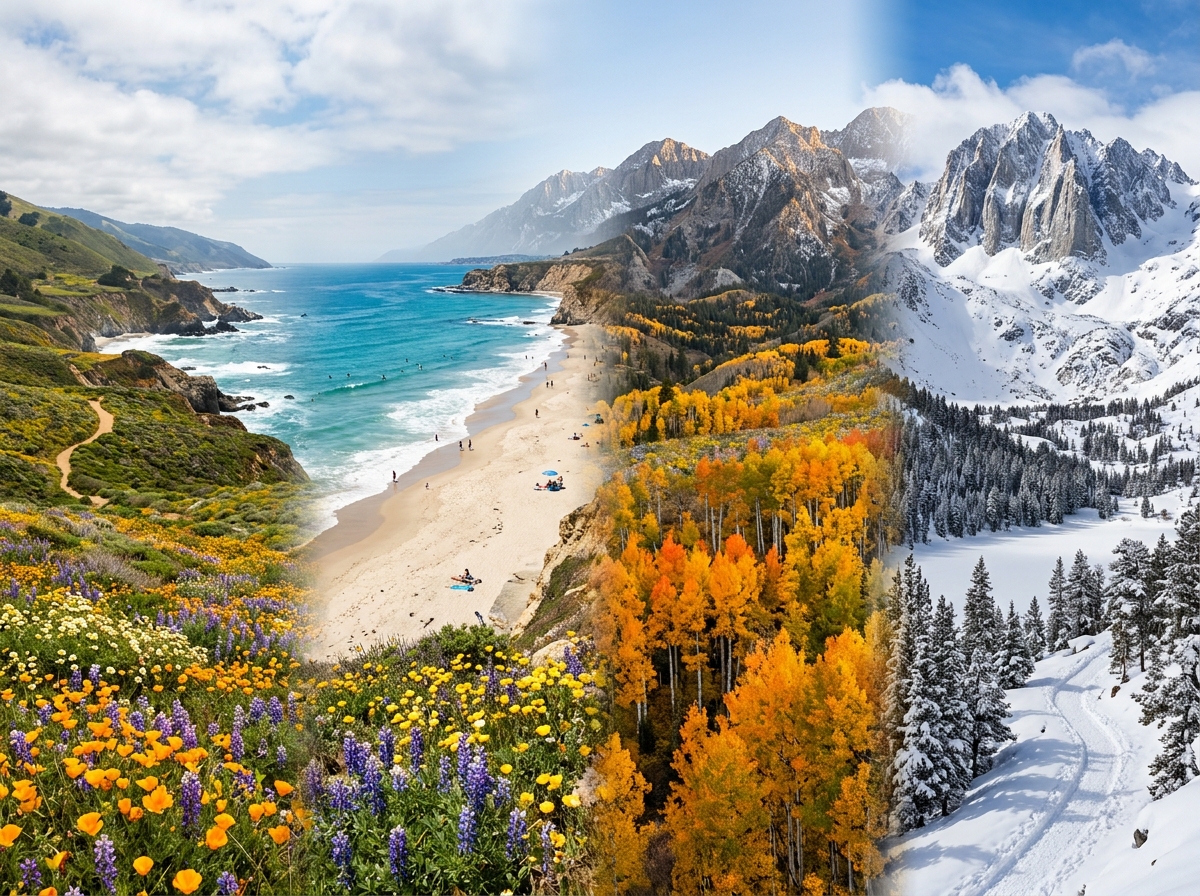
California does not have one perfect travel season. Its enormous range of elevations, climates, coastlines, valleys, mountains, and deserts means that the best destination often depends on the time of year. While snow can close high Sierra roads in winter, desert temperatures may be ideal for hiking. Spring can cover parts of the state with wildflowers, while summer opens alpine trails and invites long days along the Pacific.
That variety makes seasonal planning especially valuable. Rather than choosing a destination first and hoping for good conditions, travelers can match each part of California with the season when its landscapes and activities are most appealing.
From spring wildflowers to winter mountain scenery, these are some of the best places to visit in California every season.
Spring: Wildflowers, Green Hills and Mild Weather
Spring can transform California landscapes that appear dry for much of the year. Winter rainfall may turn hills green, waterfalls become more active, and wildflowers can appear across deserts, valleys, coastal areas, and mountain foothills.
Antelope Valley and Southern California Wildflowers
One of the most recognizable spring landscapes is the Antelope Valley California Poppy Reserve in northern Los Angeles County. In favorable years, native poppies can create brilliant orange displays across the rolling hills.
Wildflower conditions vary dramatically from year to year depending on rainfall, temperatures, wind, and other environmental factors. There is never a guaranteed superbloom. Visit California’s current California wildflower guide recommends checking current bloom reports rather than relying on historical dates.
Other spring possibilities include Point Mugu State Park, Anza-Borrego Desert State Park, and portions of the Central Coast.
Yosemite Valley in Spring
Spring is also a memorable season in Yosemite Valley. Melting mountain snow often increases waterfall flow, while lower-elevation trails may become accessible before the park’s high-country roads open.
Visitors should remember that spring does not mean all of Yosemite is open. Tioga Road and Glacier Point Road typically remain closed into late May or June depending on snow conditions. The National Park Service notes that opening dates cannot be reliably predicted far in advance because spring weather affects plowing progress.
For more protected landscapes, explore our Parks & Public Lands guides.
Summer: Beaches, Mountains and Long Outdoor Days
Summer is peak travel season across much of California. Coastal destinations offer cooler temperatures than many inland areas, while snowmelt opens more of the Sierra Nevada high country.
California’s Central Coast
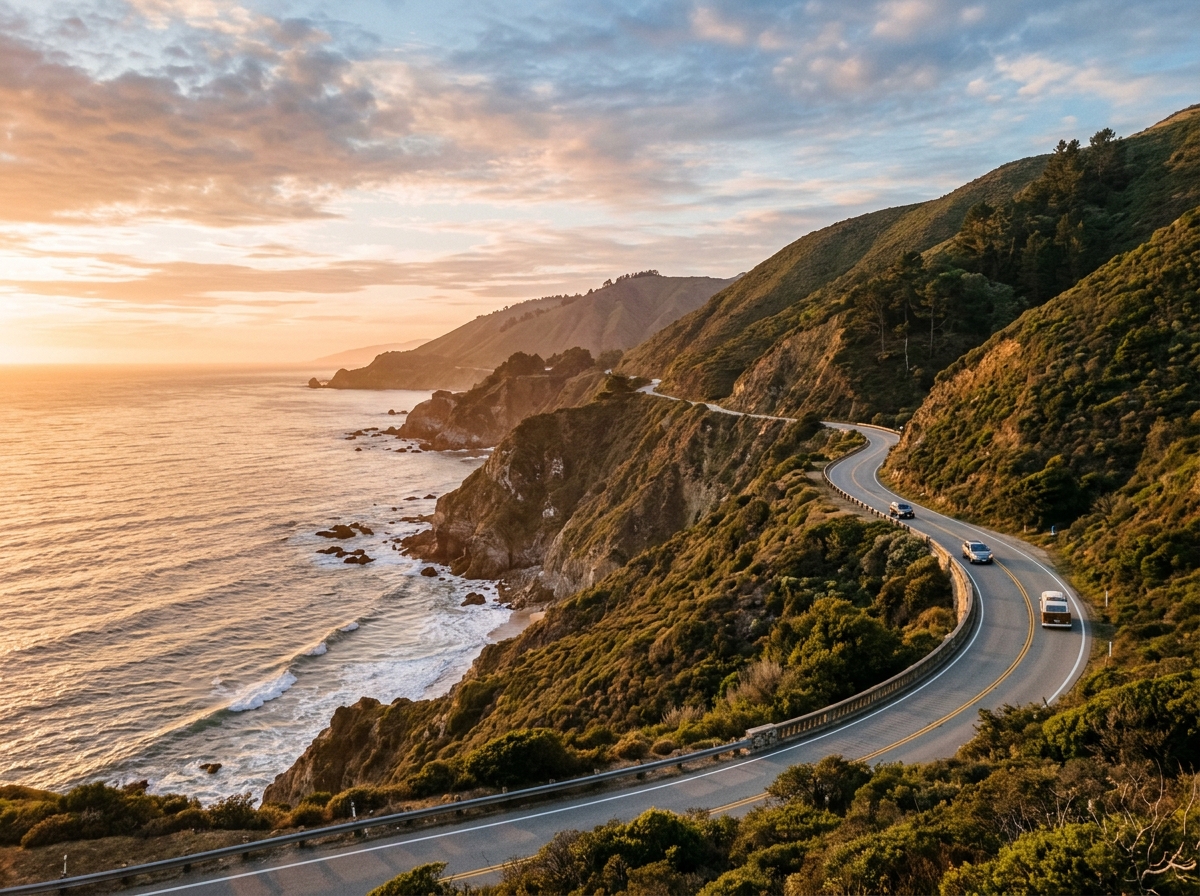
The Central Coast is a classic summer destination because travelers can combine beaches, scenic drives, coastal communities, hiking, and food-focused stops.
Areas around Monterey, Carmel, Big Sur, San Luis Obispo County, and Santa Barbara each offer a different experience. Marine conditions and coastal fog can keep temperatures surprisingly cool even when inland California is hot.
Visitors interested in building a coastal itinerary can browse our Beaches & Coast section.
Lake Tahoe and the Sierra Nevada
Summer also opens many mountain destinations that are difficult to reach during winter. Lake Tahoe becomes a center for hiking, paddling, beaches, cycling, and scenic drives.
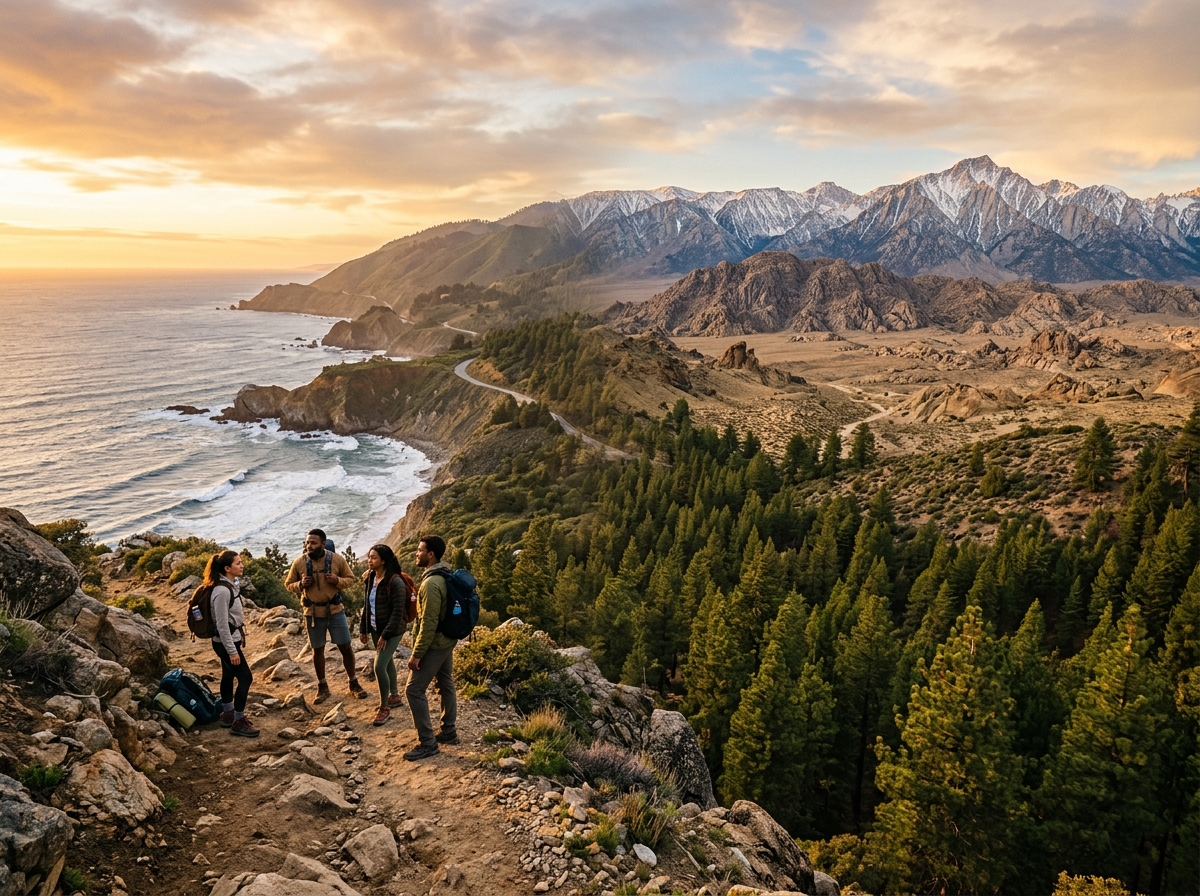
Farther south, high-elevation areas around Yosemite, Mammoth Lakes, and the Eastern Sierra offer alpine lakes, granite peaks, forests, and long trail networks.
Elevation still matters. Afternoon thunderstorms, lingering snow, wildfire smoke, and rapidly changing mountain weather can affect travel even in midsummer. Travelers should verify current park and trail conditions before leaving.
Autumn: Fall Color, Harvests and Cooler Trails
California is not usually the first state people associate with autumn foliage, but several mountain regions produce impressive seasonal color. Fall also brings cooler hiking temperatures and agricultural harvest experiences.
The Eastern Sierra for Fall Color
The Eastern Sierra is one of California’s strongest autumn destinations. Aspen groves can turn bright yellow, gold, and orange against granite mountains and high-desert landscapes.
Popular fall-color areas include June Lake, Bishop Creek Canyon, Hope Valley, and routes near Mammoth Lakes. Timing depends heavily on elevation and weather, which means different locations can peak at different times.
Visit California notes that typical foliage periods vary across the state and can change after storms or cold spells. Many Sierra locations generally show color from September into October.
Apple Country and Harvest Travel
Autumn is also a good time to explore California’s agricultural regions. Apple orchards, pumpkin farms, vineyards, farmers markets, and local harvest events can become the focus of a weekend getaway.
California’s seasonal travel calendar includes apple picking, fall color trips, pumpkin events, and regional celebrations. Visit California’s seasonal travel resources highlight these experiences as part of fall travel around the state.
Travelers who enjoy planning around local events can also visit our Events section.
Winter: Snowy Mountains and Comfortable Deserts
Winter creates some of California’s strongest geographic contrasts. High elevations can receive deep snow while desert communities several hours away enjoy mild daytime temperatures.
Lake Tahoe and Sierra Snow
Lake Tahoe, Mammoth Lakes, and other Sierra destinations attract visitors for skiing, snowboarding, snowshoeing, and winter scenery.
Snow travel requires more preparation than an ordinary California road trip. Chain controls, road closures, storms, and power interruptions can affect mountain communities. California State Parks recommends checking road and weather conditions before traveling, carrying appropriate winter gear, and understanding how to install tire chains before entering mountain areas.
Yosemite remains open year-round, but some major roads close because of snow. Tioga Road usually closes sometime in November and remains closed until late May or early June.
Death Valley and California’s Deserts
Winter can be one of the more comfortable seasons for exploring lower-elevation desert destinations. Death Valley, Joshua Tree, Anza-Borrego, and other desert regions offer open landscapes, unusual geology, dark skies, and hiking opportunities.
Desert travel still requires preparation. Temperatures can change quickly, services may be limited, and remote roads can be unsuitable for ordinary vehicles.
If outdoor recreation is the focus of your trip, our Outdoor Adventures section offers additional seasonal ideas.
California Destinations That Work in Several Seasons
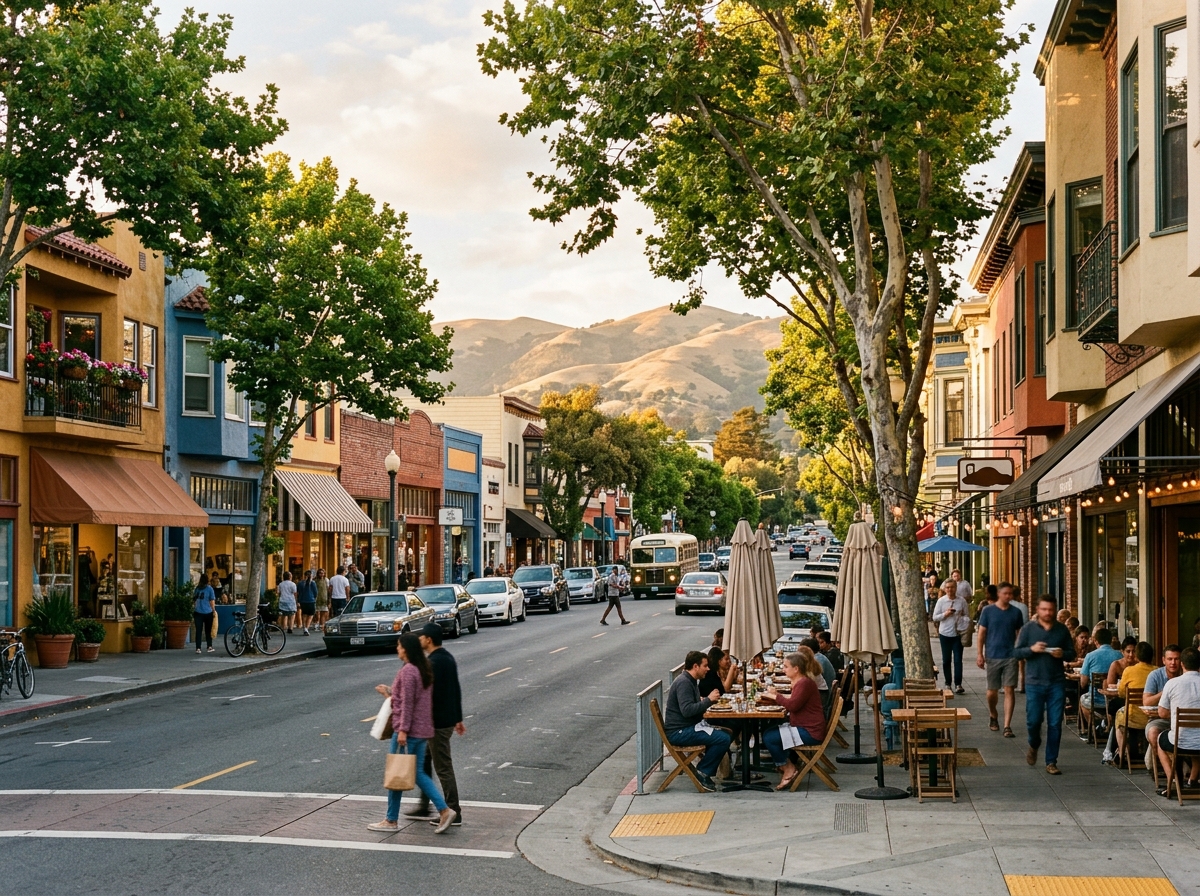
Some places do not fit neatly into one season. Major cities such as San Francisco, Los Angeles, San Diego, and Sacramento can be visited throughout the year, although weather and crowd levels vary.
San Francisco’s relatively mild climate makes neighborhood exploration possible in most months. Southern California coastal communities remain popular in winter, while spring and fall can provide comfortable conditions for walking through urban districts.
The key is understanding that California’s climate can change dramatically within a short distance. A warm afternoon along the coast does not necessarily mean comfortable conditions in nearby mountains or desert interiors.
For urban ideas, browse our Cities & Neighborhoods guides.
Plan for Conditions Instead of Fixed Dates
Seasonal recommendations are useful, but nature does not operate according to a fixed tourism calendar. Rainfall determines many spring wildflower displays. Snowpack influences mountain road openings. Heat waves can arrive earlier or later than expected, and wildfire conditions can affect parks, roads, and air quality.
California State Parks recommends checking destination conditions before departure, carrying appropriate supplies, and having a backup plan if a park, trail, or activity becomes unavailable.
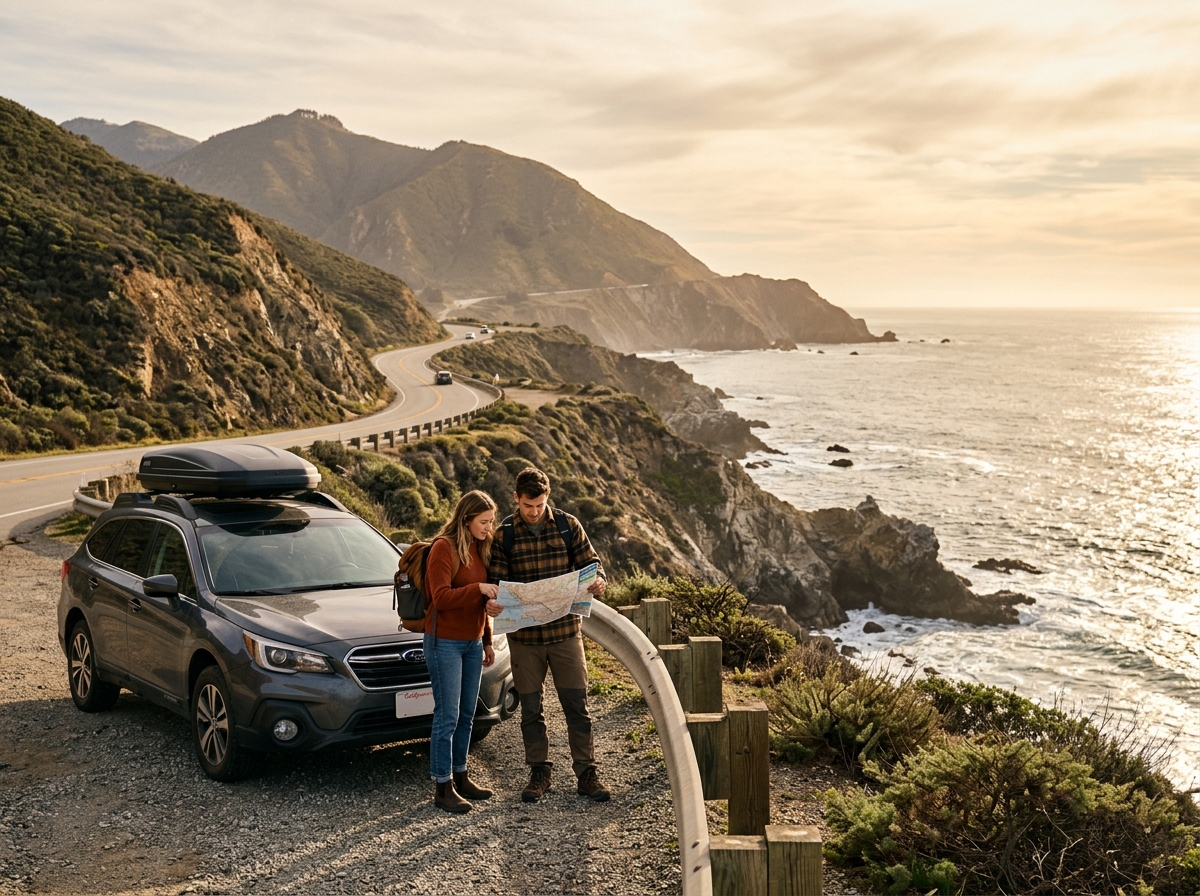
That approach is particularly important when traveling between regions. A weekend road trip can involve major changes in elevation, temperature, and weather within only a few hours.
Our Road Trips section can help connect seasonal destinations into longer California itineraries.
Follow California Through the Seasons
California rewards travelers who adapt their plans to the landscape. Spring draws attention to wildflowers, waterfalls, and green foothills. Summer opens beaches, alpine lakes, and high-country trails. Autumn brings colorful aspens and harvest traditions, while winter divides the state between snowy mountains and comparatively mild deserts.
There is no single month that reveals everything California has to offer. The experience changes depending on where you go and when you arrive.
Instead of asking for the one best time to visit California, consider which version of the state you want to see. Follow wildflowers in spring, escape to the coast in summer, search for Sierra color in autumn, or alternate between snow and desert sunshine in winter. Each season offers a different reason to explore the Golden State.