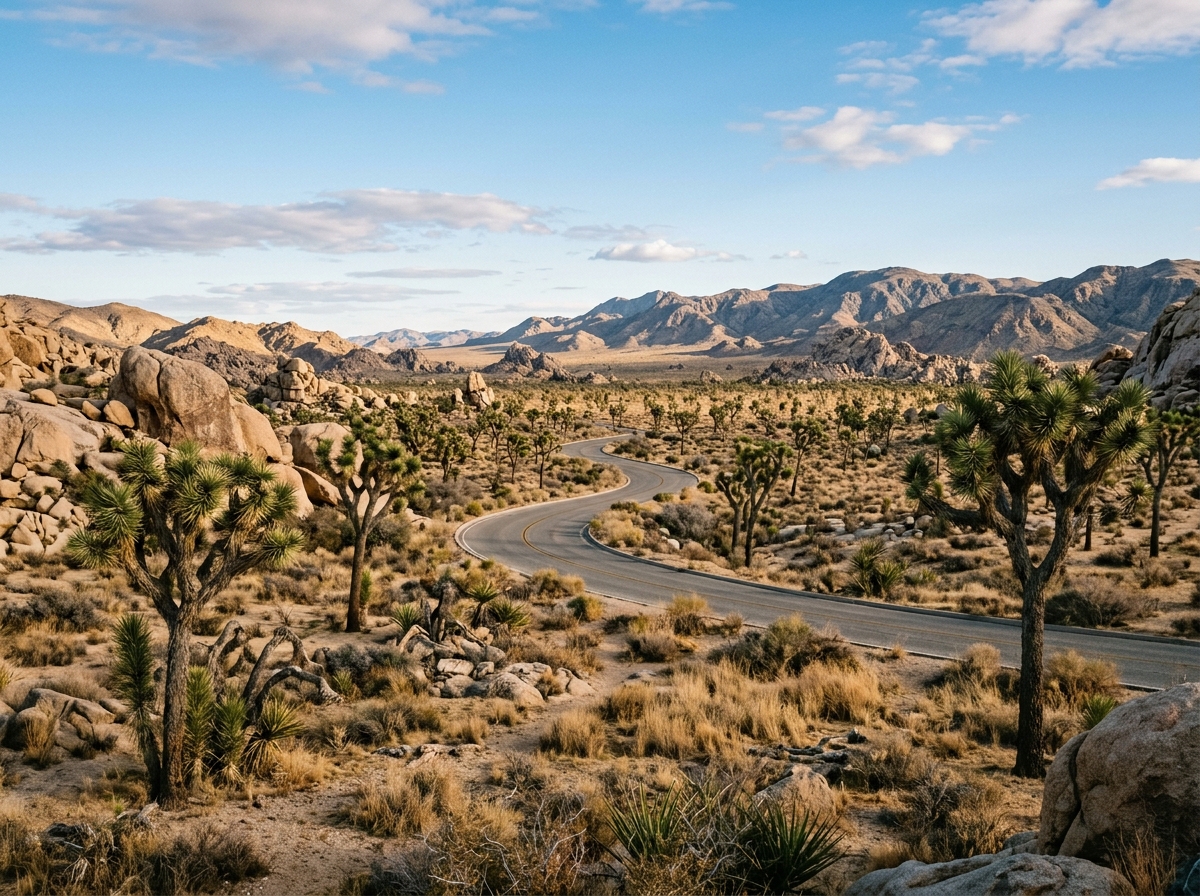
California’s deserts reveal a completely different side of the Golden State. Instead of redwood forests, ocean cliffs, or snow-covered mountains, travelers find broad valleys, sculpted boulders, palm oases, salt flats, rugged canyons, and open skies that seem to stretch forever.
Timing matters, however. Many desert destinations experience intense heat during warmer months, making late fall, winter, and early spring particularly appealing for hiking, sightseeing, scenic drives, and longer periods outdoors. Cooler weather can make landscapes that feel intimidating in summer much more accessible.
From Joshua Tree’s strange namesake plants to Death Valley’s vast salt basin, these California desert destinations offer some of the state’s most memorable cooler-season travel experiences.
Joshua Tree Blends Two Desert Ecosystems
Joshua Tree National Park is one of California’s most recognizable desert destinations. The park sits where two major desert ecosystems meet: the higher Mojave Desert and the lower Colorado Desert. That transition helps create its unusual combination of Joshua trees, cactus gardens, exposed granite formations, mountains, and broad desert plains.
Why Cooler Months Work Well
The National Park Service warns that extreme heat can be a serious hazard in Joshua Tree, particularly during the warmer part of the year. Cooler months generally make hiking and sightseeing more comfortable, though temperature swings between daytime and night can still be substantial.
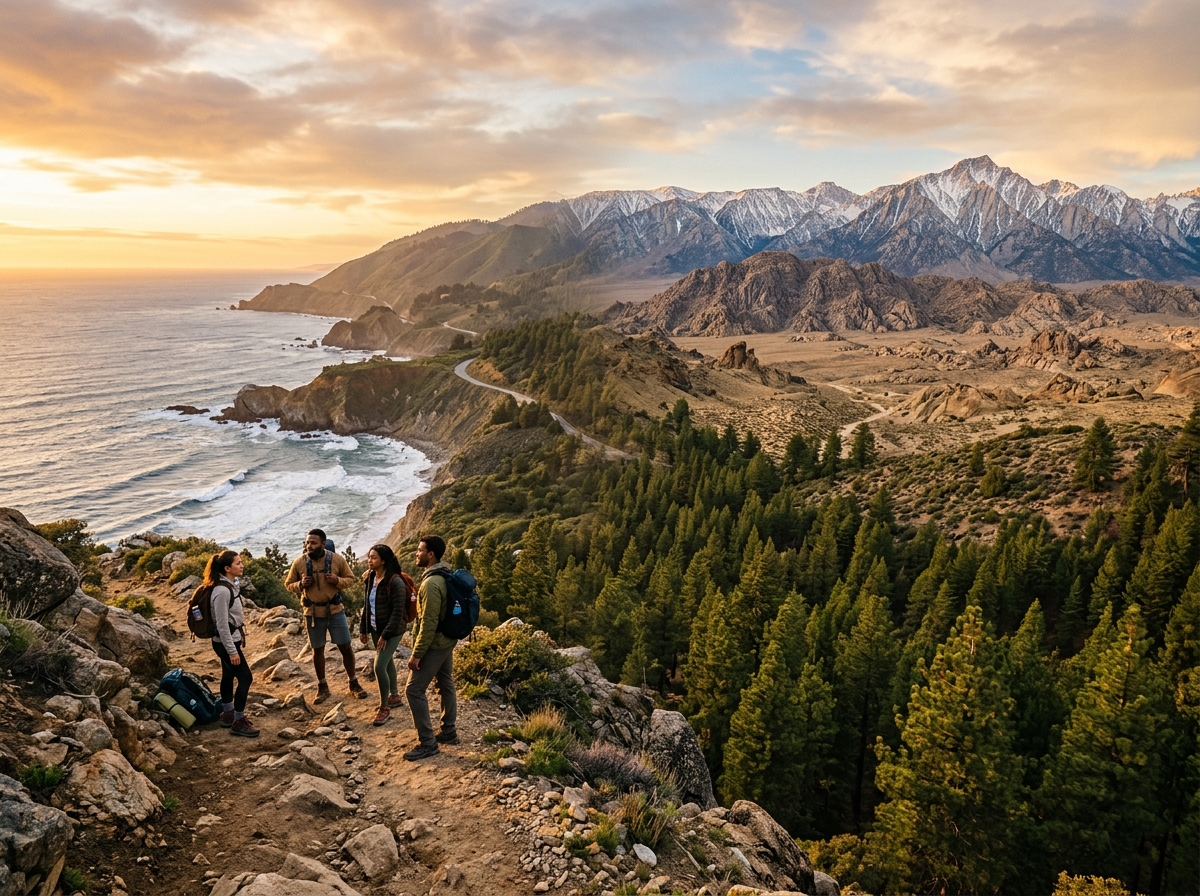
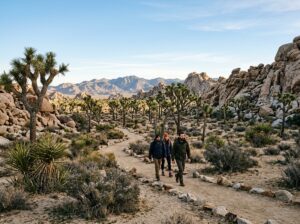
Popular experiences include walking among the boulder formations, exploring short nature trails, driving between desert viewpoints, and staying after sunset for stargazing. Winter can also bring surprisingly cold nights, so layered clothing remains important.
Check current conditions, closures, camping information, and safety guidance through the official Joshua Tree National Park website before visiting.
If your trip includes hiking or other recreation, our Outdoor Adventures section offers more ideas for exploring California outside.
Death Valley Is Best Experienced With Respect for the Heat
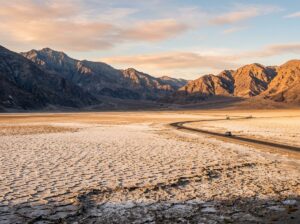
Death Valley National Park contains some of California’s most dramatic desert scenery. Salt flats, sand dunes, colorful badlands, mountain ranges, canyons, and enormous elevation changes create a landscape that feels almost otherworldly.
The park is also famous for extreme heat. Summer temperatures can become dangerously high, especially at lower elevations. For many visitors, the cooler months provide a more practical opportunity to explore viewpoints and trails without confronting the most severe conditions.
See the Scale of the Landscape
Badwater Basin, Zabriskie Point, Mesquite Flat Sand Dunes, and Artist’s Drive are among the park’s best-known areas. What often surprises first-time visitors is the distance between them. Death Valley is enormous, and driving time should be built into the itinerary.
The National Park Service recommends checking road conditions before traveling because flash floods, storms, construction, or other events can affect access. Fuel, water, and services are also limited in some areas.
Visit the official Death Valley National Park website for current alerts and planning information.
Anza-Borrego Offers a Vast State Park Experience
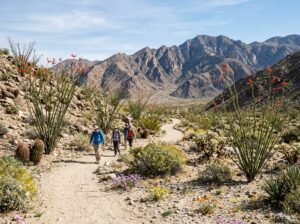
Anza-Borrego Desert State Park in San Diego County provides a different type of desert experience. Instead of one central attraction, the park spreads across an immense landscape of badlands, washes, mountains, palm oases, cactus communities, and remote roads.
California State Parks identifies Anza-Borrego as the state’s largest state park, making it a destination that rewards repeat visits rather than a quick drive-through.
Winter and Early Spring Bring Comfortable Exploration
Cooler temperatures make hiking and sightseeing far easier than during hot summer days. Early spring can sometimes bring wildflower displays, although blooms vary dramatically depending on rainfall, temperature, and other conditions.
Travelers should never plan a trip around a guaranteed superbloom. Instead, check current bloom reports and park updates immediately before visiting.
The park includes both paved roads and remote backcountry routes. Some areas require high-clearance or four-wheel-drive vehicles, so do not assume every road shown by a navigation app is suitable for an ordinary passenger car.
California State Parks provides current conditions and visitor guidance through the Anza-Borrego Desert State Park page.
Mojave National Preserve Rewards Slow Exploration
Mojave National Preserve lies between Los Angeles and Las Vegas and protects an enormous section of California desert. Its landscape includes Joshua tree forests, volcanic formations, historic travel corridors, sand dunes, mountains, and old mining sites.
One highlight is the Kelso Dunes area, where massive dunes rise above the surrounding desert. The preserve also contains extensive Joshua tree habitat and historic features connected to railroads, ranching, mining, and earlier travel routes.
Prepare for Remoteness
Mojave feels considerably more remote than many urban-adjacent desert destinations. Cell service can be unreliable, fuel is not available throughout the preserve, and some routes involve rough or unpaved roads.
The National Park Service advises visitors to carry adequate water, know their route, and verify road conditions before traveling. Current information is available through the Mojave National Preserve website.
Palm Springs Adds Culture to a Desert Trip
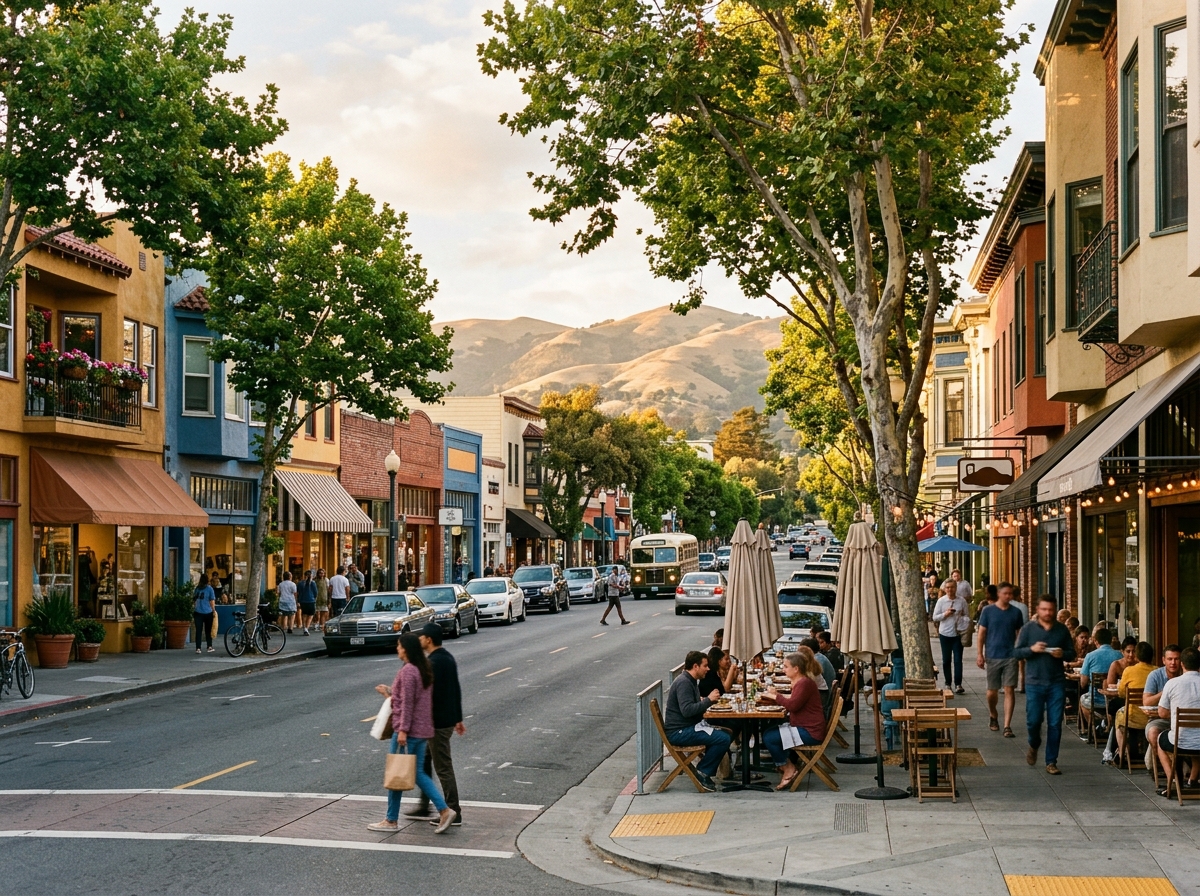
Not every California desert vacation needs to focus exclusively on wilderness. Palm Springs combines desert scenery with architecture, museums, restaurants, hotels, wellness experiences, and access to nearby hiking areas.
The city became closely associated with midcentury modern architecture during the 20th century, and that visual identity remains an important part of its appeal. Visitors can balance outdoor activities with neighborhood walks, galleries, dining, or time beside a pool.
Visit California highlights the broader Greater Palm Springs region as a collection of desert communities that includes Palm Desert, Rancho Mirage, La Quinta, Indian Wells, Coachella, and Desert Hot Springs in addition to Palm Springs itself. The official Palm Springs destination guide provides additional planning ideas.
For more community-focused travel ideas, explore our Cities & Neighborhoods section.
Combine Desert Stops Into a Road Trip
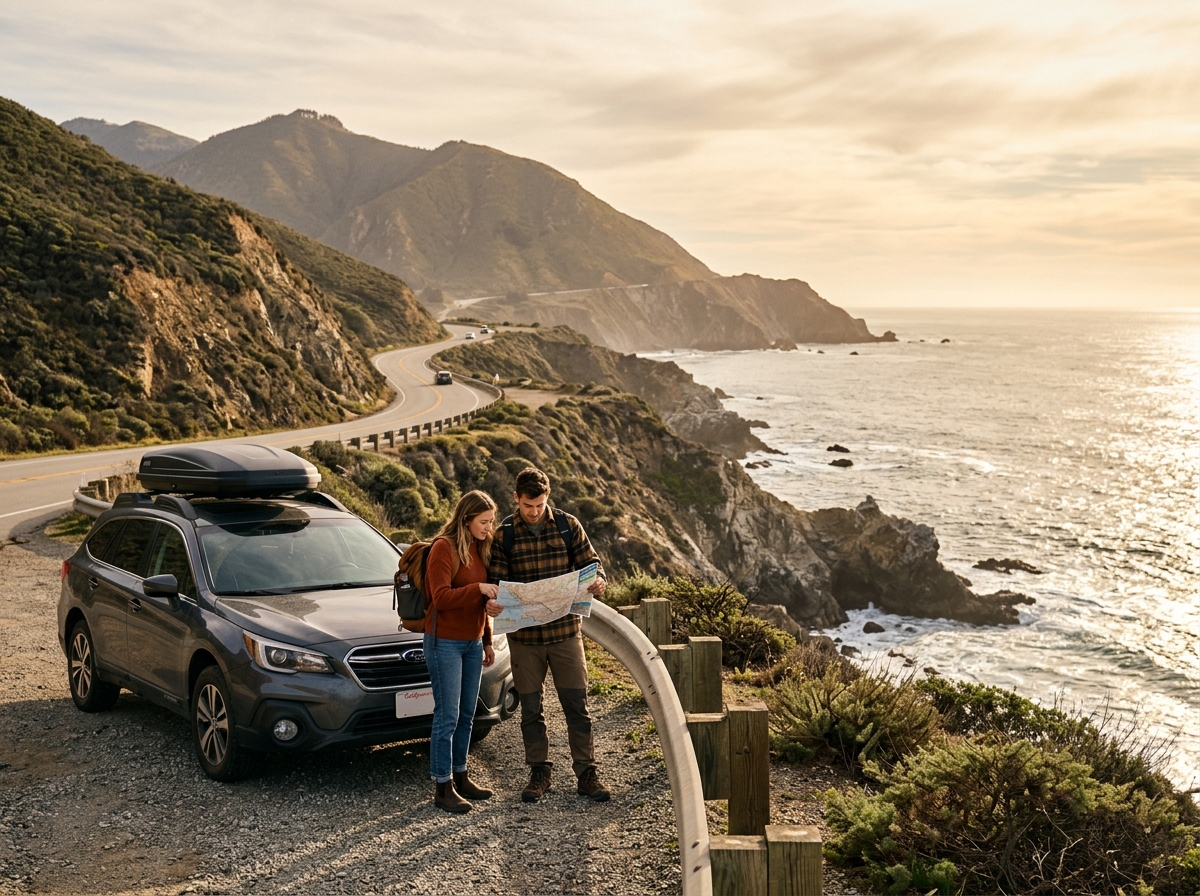
California’s desert destinations work especially well as road-trip anchors. Joshua Tree and Palm Springs are close enough to combine during a long weekend, while Death Valley can become the focus of a separate trip through the eastern desert.
Mojave National Preserve can fit naturally into routes between Southern California and Nevada, while Anza-Borrego works well with San Diego County or the Coachella Valley depending on the itinerary.
Visit California notes that Joshua Tree and Death Valley can be paired as part of a larger national park trip, although travelers should account for substantial driving distances.
Our Road Trips collection can help you build these desert destinations into a broader California itinerary.
Pack Differently for California Desert Travel
Cooler weather does not eliminate desert hazards. Travelers should still carry plenty of water, use sun protection, and prepare for limited shade. Temperatures can also change rapidly after sunset, especially in winter.
Bring layered clothing, sturdy walking shoes, a hat, sunscreen, water, offline maps, and basic emergency supplies when exploring remote locations. If driving unpaved roads, confirm that the route is suitable for your vehicle before continuing.
Do not rely entirely on cell service. Download maps and save important park information before leaving developed areas.
Why Cooler Months Reveal the Desert at Its Best
California’s desert region is not empty or monotonous. It contains several distinct ecosystems, mountain ranges, communities, wildlife habitats, historic sites, and geological landscapes. Visit California treats the deserts as one of the state’s major travel regions, alongside areas such as the High Sierra, Central Coast, and North Coast.
Cooler weather makes it easier to slow down and appreciate those details. Instead of moving quickly between an air-conditioned vehicle and a viewpoint, visitors can spend more time walking through boulder fields, exploring desert canyons, watching changing light across salt flats, or staying outdoors after sunset.
Joshua Tree, Death Valley, Anza-Borrego, Mojave National Preserve, and Palm Springs each offer a different version of desert California. Together, they show why the state’s inland landscapes deserve just as much attention as its famous beaches and mountains.
Plan around current conditions, respect the heat even in cooler seasons, and give yourself enough time to experience the scale and quiet of California’s desert country.